

Can an Upper Respiratory Infection Cause Loss of Voice?
Upper respiratory infections can cause inflammation and irritation in the throat and vocal cords, leading to hoarseness, temporary voice loss, and difficulty speaking. These symptoms commonly develop alongside coughing, nasal congestion, and a sore throat. At Universal Urgent Care, our team provides personalized evaluations to identify the underlying cause of voice changes and recommend appropriate treatment options. Our team focuses on relieving discomfort, supporting vocal recovery, and helping patients understand how to manage symptoms and prevent further irritation. For more information, contact us today or book an appointment. We are conveniently located at 2121 Niles St, Bakersfield, CA 93305.
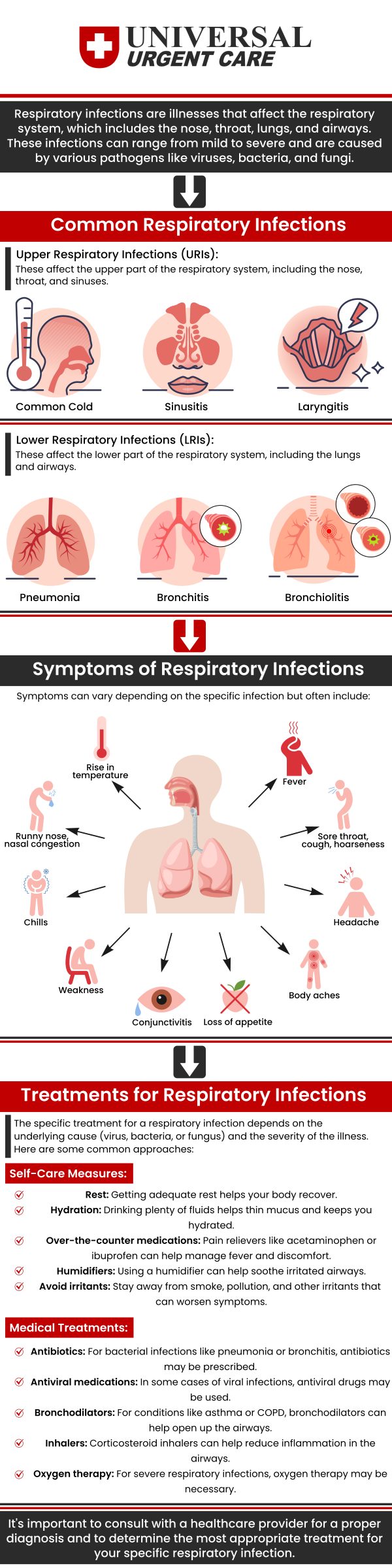
Table of Contents:
Why does an upper respiratory infection sometimes cause temporary voice loss?
How can an upper respiratory infection lead to inflammation of the vocal cords?
How long does voice loss typically last after an upper respiratory infection?
What symptoms may indicate that voice loss from an upper respiratory infection requires medical attention?
Can repeated upper respiratory infections cause recurring hoarseness or voice problems?
How does Universal Urgent Care provide personalized evaluation and treatment for voice loss caused by upper respiratory infections in Bakersfield, CA?
An upper respiratory infection can cause temporary voice loss when inflammation affects the throat and voice box, also known as the larynx. Viral infections, including the common cold, may irritate the tissues responsible for producing sound, resulting in a weak, raspy, or temporarily absent voice.
Frequent coughing, throat clearing, and excessive mucus can further irritate the vocal cords, making it difficult to speak normally. Voice changes are usually temporary and improve as the infection resolves and inflammation decreases. Adequate hydration and limiting unnecessary voice use may support recovery.
At Universal Urgent Care, our team evaluates voice changes associated with respiratory infections and identifies symptoms that may require additional attention. Our team provides personalized care recommendations to help patients manage discomfort and support healthy vocal recovery.
An upper respiratory infection may trigger inflammation in the larynx, causing the vocal cords to become swollen and irritated. This condition, commonly called laryngitis, interferes with the normal vibration of the vocal cords during speech, resulting in hoarseness, reduced vocal strength, or temporary voice loss.
Inflammation may develop when a respiratory virus affects the tissues surrounding the voice box. Persistent coughing, postnasal drainage, and repeated throat clearing can increase irritation. Patients may also experience throat discomfort, a dry cough, or difficulty speaking at their usual volume.
Our team assesses symptoms associated with vocal cord inflammation and determines whether an upper respiratory infection may be responsible. Our team offers individualized guidance to reduce irritation, manage accompanying symptoms, and encourage gradual voice recovery.
Voice loss caused by an upper respiratory infection often improves within several days as swelling and irritation in the vocal cords begin to decrease. However, some individuals may experience lingering hoarseness for one to two weeks, particularly when coughing or throat irritation continues after other respiratory symptoms improve.
Recovery time depends on the severity of inflammation, overall health, and how much strain is placed on the voice. Drinking sufficient fluids, avoiding smoking, and resting the voice can help reduce additional irritation. Persistent hoarseness lasting more than three to four weeks generally requires further medical evaluation.
Our team evaluates ongoing voice changes and associated respiratory symptoms to identify possible factors delaying recovery. We provide personalized recommendations and determine when additional testing or specialist assessment may be appropriate.
Voice loss associated with an upper respiratory infection may require medical evaluation when accompanied by persistent fever, worsening throat pain, difficulty swallowing, or symptoms that fail to improve. Hoarseness that continues for several weeks may also suggest an underlying condition requiring further assessment.
Additional warning signs include significant throat swelling, dehydration, coughing up blood, or increasing discomfort while speaking or swallowing. Severe breathing difficulty, noisy breathing, or an inability to swallow saliva requires immediate emergency medical care rather than routine urgent care evaluation.
Our team assesses voice loss alongside other respiratory symptoms to identify potential complications. Our team focuses on determining the appropriate level of care, addressing manageable symptoms, and recommending further evaluation when necessary.
Repeated upper respiratory infections can contribute to recurring hoarseness when the vocal cords become inflamed during each illness. Frequent episodes of coughing, throat irritation, and excessive mucus production may temporarily affect voice quality and make speaking uncomfortable.
Although infection-related hoarseness typically improves after recovery, repeated voice changes may also be associated with allergies, acid reflux, vocal strain, or other conditions affecting the larynx. Persistent or frequently recurring hoarseness should be evaluated to determine whether another underlying problem is contributing to the symptoms.
At Universal Urgent Care, our team evaluates recurring voice changes and reviews symptoms that may indicate repeated respiratory infections or other contributing factors. We offer personalized care guidance and recommend appropriate follow-up when additional investigation is needed.
Voice loss associated with an upper respiratory infection requires an evaluation of accompanying symptoms and possible causes. Our medical team considers factors such as the duration of hoarseness, recent respiratory illness, throat discomfort, coughing, and difficulty speaking to better understand each patient’s condition.
During the examination, our healthcare professionals may assess the throat, breathing patterns, and other signs of infection. Treatment recommendations depend on the suspected cause and may include supportive care, hydration, voice rest, and strategies to reduce throat irritation. Additional evaluation may be recommended for prolonged or unexplained voice changes.
At Universal Urgent Care in Bakersfield, CA, our team provides individualized evaluations and treatment guidance for patients experiencing temporary voice loss, hoarseness, and upper respiratory symptoms. We emphasize careful symptom assessment, patient education, and appropriate follow-up to support recovery and overall respiratory health. For more information, contact us today or book an appointment. We are conveniently located at 2121 Niles St, Bakersfield, CA 93305. We serve patients from Bakersfield CA, Clovis CA, Mayfair CA, Kayandee CA, Arvin CA, Fairfax CA, Rosedale CA, and surrounding areas.
Check Out Our 5 Star Reviews



Additional Services You May Need
▸ Illnesses Treatment
▸ Diagnostic Tests
▸ X-Rays
▸ Immunizations
▸ Vaccination
▸ Cold or Flu
▸ Upper Respiratory Infection
▸ Ear Infections
▸ Sore Throat
▸ Urinary Tract Infection
▸ Sprains & Strains
▸ Sports Injuries
▸ Minor Eye Injuries
▸ Minor Burns
▸ Flu Shots
▸ Sports Physicals Exams
▸ School Physicals Exams
▸ DOT Physicals
▸ View All Services


 Send Text
 How May I Help You?